
When you search for Generac installers near me, you’ll find dealers, electricians, and generator shops. This guide shows you how to pick the right one for a Generac home standby generator. You’ll see what the job includes and what to ask before you book it. It’s for homeowners in Douglas, Cobb, and Paulding counties. If you want backup power in place before the next storm hits, start here.
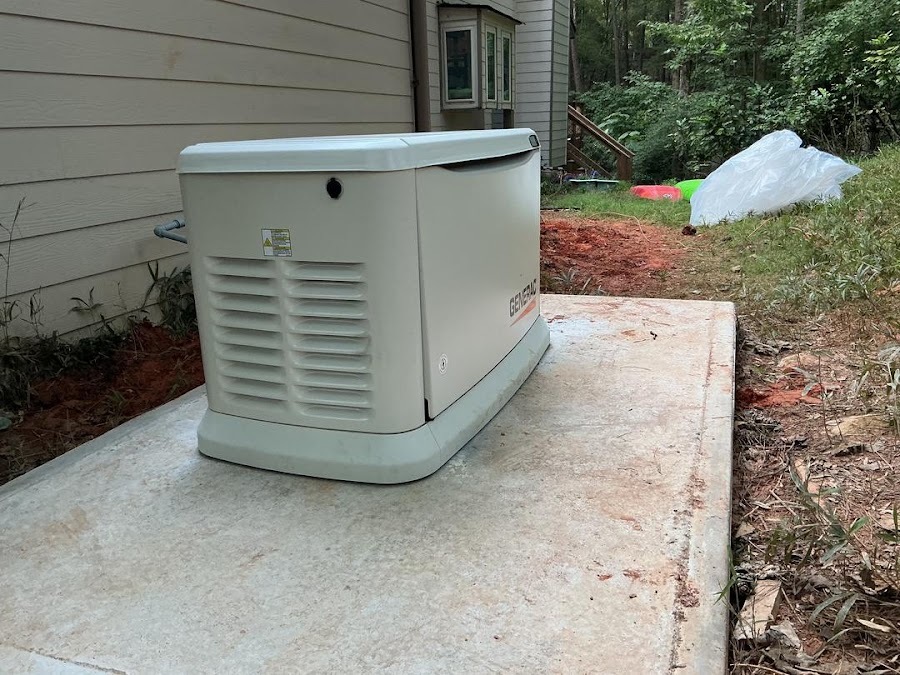
What a Generac Generator Installation Includes
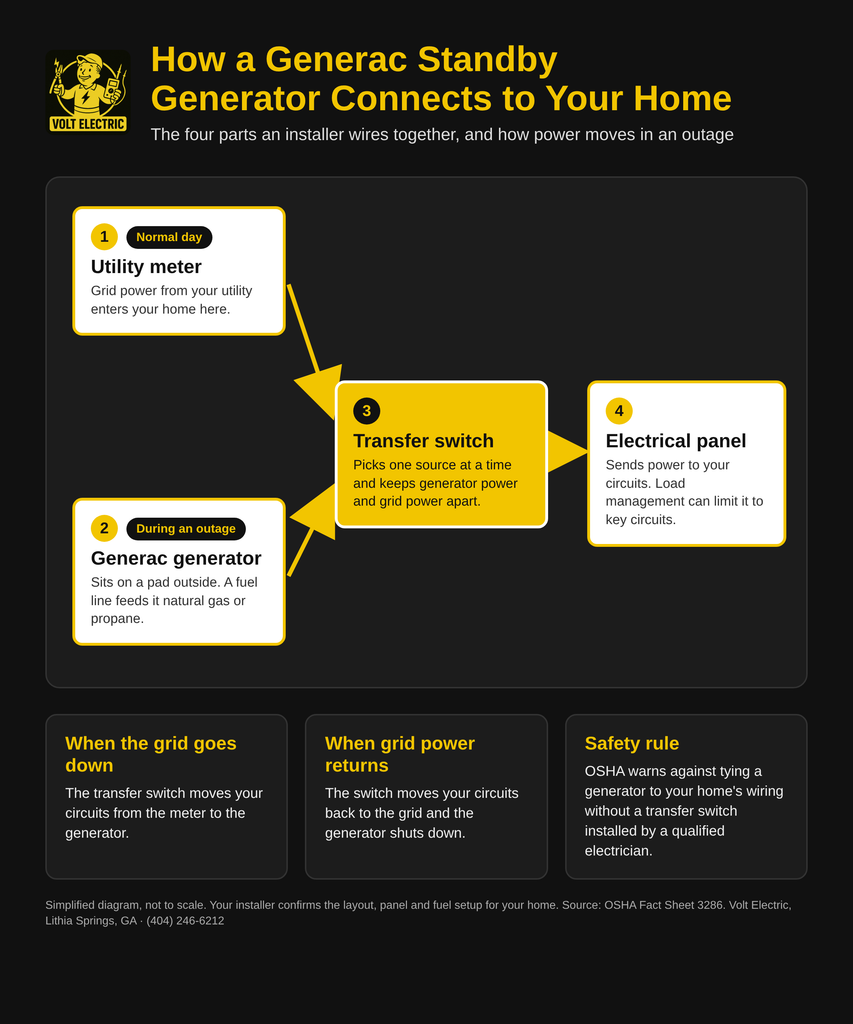
A standby generator sits on a pad outside your home and runs on natural gas or propane. The generator itself is only one part of the installation job, though. Most of the work goes into connecting it to your home’s wiring through a transfer switch, so it can take over when the power goes out.
A typical installation will include:
- Setting the generator on a level pad with the space the maker calls for
- Adding a transfer switch, which moves your circuits to the generator when the grid goes down
- Wiring the generator and transfer switch to your panel
- Hooking up the fuel line
- Load management, so the generator runs the circuits you need most
- Startup, testing, and a walkthrough
Some homes need a panel upgrade first. Ask about that it at the first visit, as it can change the scope and the schedule of your installation.
Check the Georgia License First
Georgia’s Secretary of State says an electrical contractor may not legally perform services until they hold an active license. The state has two license classes. Class I is limited to single-phase work up to 200 amps at the service. Class II has no limit. If your home has a service over 200 amps, ask for a Class II contractor.
You can look up a license on the state’s verification site. Get the license number at the first visit and check it before you sign anything.
Questions to Ask Generac Installers Near Me
Generac’s dealer locator sorts its dealers into tiers. Generac says its Elite Dealers offer both installation and basic service support and have at least one factory-trained technician on staff. A tier is about the dealer’s link to Generac. The electrical work still needs a state license.
Ask each installer the same questions:
| Question to ask | Why it matters |
|---|---|
| What is your Georgia license number and class? | Class I stops at 200 amps single-phase at the service, while Class II has no limit |
| Who pulls the electrical permit? | Douglas County’s permit form asks for the contractor’s license number and class |
| Will my panel need an upgrade? | An upgrade changes the cost and the schedule |
| Which circuits will the generator run? | Shows if you’re getting whole-home backup or only key circuits |
| Who hooks up the gas or propane line? | The fuel line is part of the job, so the scope should name who does it |
| Who handles maintenance and repairs later? | A standby unit needs routine care to start when you need it |
Ask for the answers in a written scope. Then you can compare each quote for the exact same work.
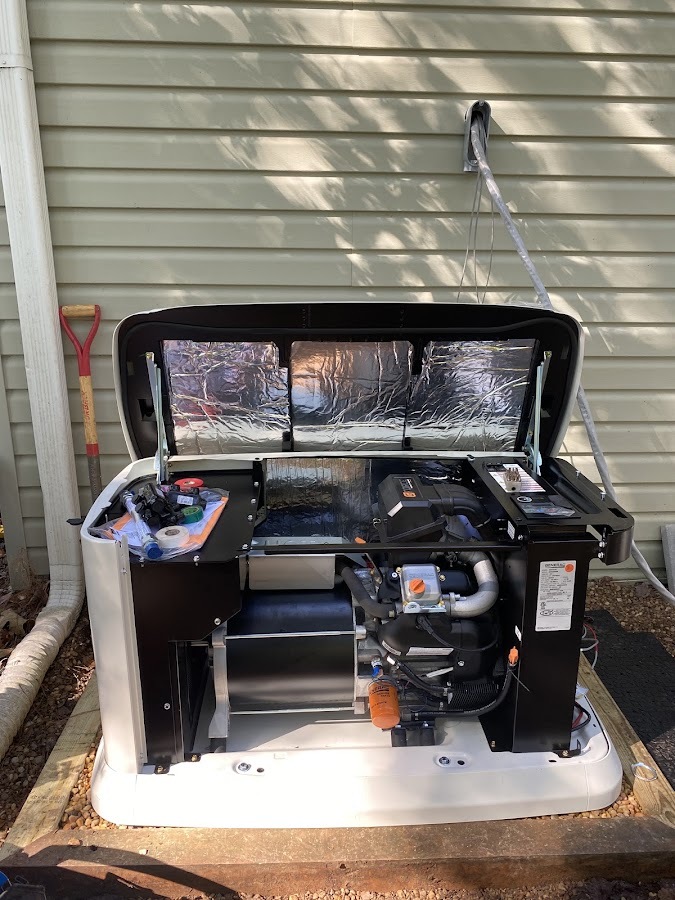
Portable Generator vs Standby Generator Safety
If you use a portable generator today, be sure to follow the safety rules for it. The U.S. Consumer Product Safety Commission (CPSC) says to use portable generators outdoors only, at least 20 feet from the home, with the exhaust pointed away from any nearby building. OSHA warns against attaching a generator to a home’s electrical system unless a qualified electrician has installed it with a transfer switch.
A transfer switch keeps generator power and grid power apart. That protects your wiring and the line crews who work on the grid during an outage. Don’t plug a generator into a wall outlet to power your home.
Generator Installation in West Metro Atlanta
At Volt Electric, we install whole-home standby generators for homeowners across west Metro Atlanta. Our office is at 2751 Mt Vernon Rd in Lithia Springs. We also serve Douglasville, Austell, Powder Springs, and Villa Rica. Our generator and backup power services include transfer switches, panel hookups, load management, repairs, routine maintenance, and safety checks. If your panel isn’t ready, our team also does panel upgrades and surge protection. Our guide on how to choose an electrician near me covers licenses and written scopes in more detail.
Frequently Asked Questions
Can I hook up a generator to my house myself?
No. A qualified electrician should connect a generator to your home’s wiring. A transfer switch keeps generator power apart from grid power, which helps protect your home and line crews.
What size generator do I need to run my whole house?
It depends on what you want to run in an outage. Each item needs power to start and to keep running. Whole-home backup starts with a check of your electrical loads. Some setups use load management so the generator doesn’t overload.
Is a whole house generator worth it?
It’s worth a look if an outage could spoil food, shut off your heat, or stop medical gear. The answer depends on how often you lose power, what you need to run, and your budget.
Does a Generac installer need a Georgia license?
Yes, for the electrical work. Georgia’s Secretary of State says an electrical contractor may not legally perform services until they hold an active license.
Does a standby generator need maintenance?
Yes. It needs routine care so it starts when the power goes out. Ask your installer who handles maintenance and repairs after the job.
Sources: OSHA portable generator fact sheet, CPSC generator safety tips, Generac dealer tiers, Georgia Board of Electrical Contractors rules, Chapter 121-3, Georgia Secretary of State guide for electrical contractors, Douglas County residential electrical permit application.
If you’re looking at Generac installers near me and want a team that explains each step, call Volt Electric at (404) 246-6212 or get in touch online to schedule a visit.